
Loading tours
We use cookies
We use necessary cookies to run this site, and — only with your consent — analytics cookies (Google Analytics 4 / Google Tag Manager) to understand traffic. Nothing analytics-related loads until you choose. Read our Cookie Policy or Privacy Policy.
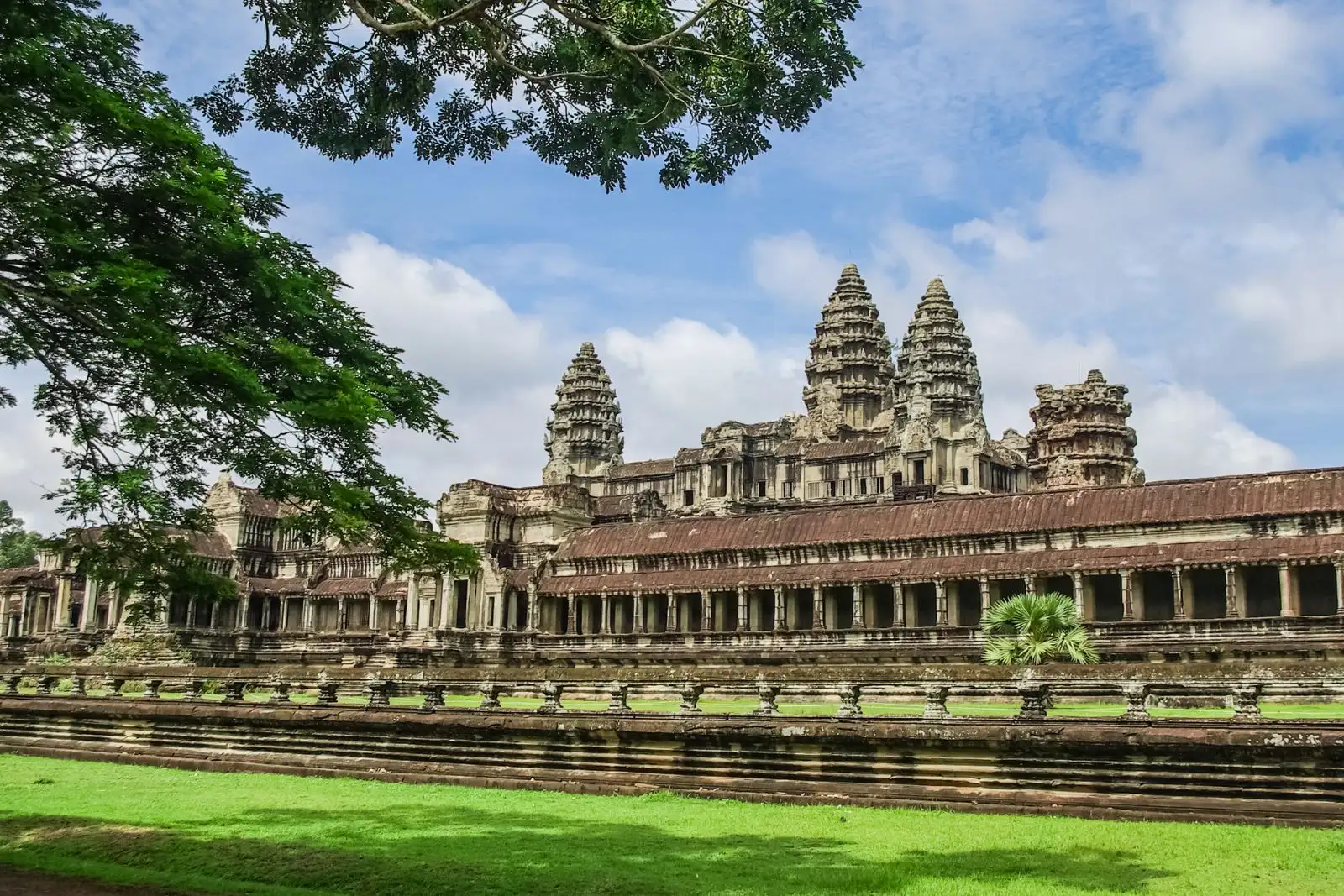
Condensed Siem Reap experience featuring sunrise at Angkor Wat, temple exploration, and local market experiences.
Upon arrival at Siem Reap Airport, after you finish all customs and immigration procedures, please head to the exit gate and look for your guide who will be waiting for you, holding a welcome signboard with your name on it. Then, you will be transferred to your hotel in town by a private vehicle.
Overnight in Siem Reap
Note: Room check in time is after 14:00
Early check-in or late check-out time is subject to availability and at an additional charge. Let us know in-advance the check in & check out time you require for proper arrangement.
Optional tour: Visit Banteay Srei and Banteay Sarme
Today, depart to Siem Reap’s outskirts to visit Banteay Srei that translates to “the Citadel of the Women”. Originally constructed in the 10th Century and dedicated to the Hindu god Shiva, this red sand-stone temple is one of Angkor’s most significant structures as its walls are decorated with elaborate carvings which have been remarkably well preserved. This magnificent ruins offer a great insight into the Angkor civilization and their beliefs. Drive back to downtown Siem Repa, stop along the way to visit Banteay Samre, the 12th Century Hindu temple often compared to a mini Angkor Wat.
Notes
Siem Reap is famed not only for a gateway to the ancient temple ruins of Angkor but also for its rural outskirt that offers plenty of interesting activities such as visiting traditional craft village and participating in a home-style cooking demonstration. Today, set off to take in the sights of the beautiful surroundings and paddy fields, engage in local life as it passes slowly by. Stroll around a peaceful village, passing through lush rice fields, fruit orchards, and vegetable farms to gain an overview of the local daily activities including planting rice, herding buffaloes, catching fish, or handicrafts… Stop at a family-run workshop where local artisans will explain to you the importance of rattan craft for thousands of families in the village and guide you on how to wave a rattan basket traditional way.
Optional tour: A taste of rural life around Siem Reap (half day)
Continue a short walk to the home of a local farmer surrounded by gardens and farms where you will engage with him and his family member to find out the truly Khmer lifestyle in the countryside. Get your hand busy to prepare with the host some traditional Khmer dishes. You will have a chance to experience each step, from selecting and seasoning to plating a typical Khmer meal which you will sample afterward. The host will be happy to share with you the delicious home cook recipes to take home as well.
Notes
Overnight: Siem Reap
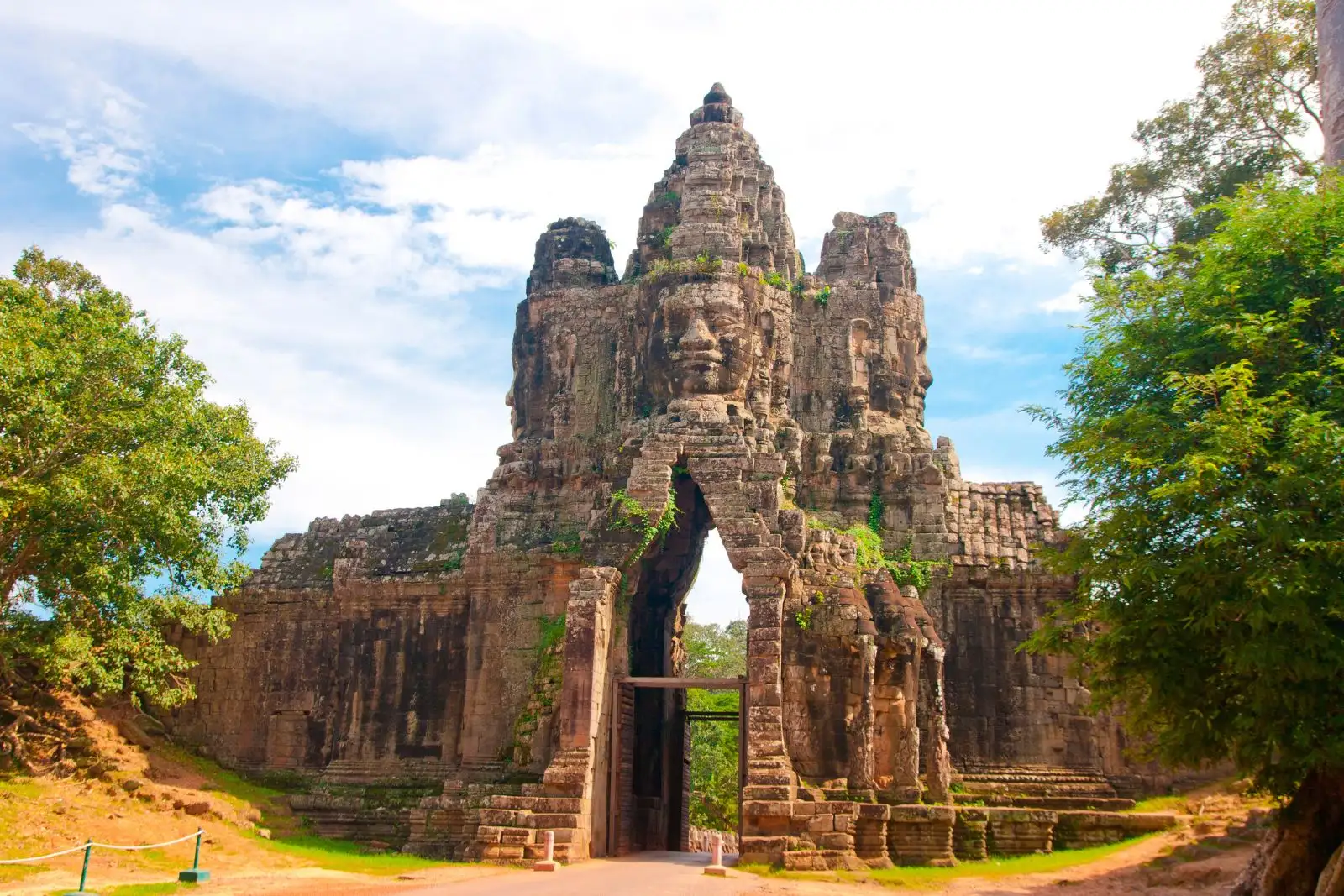
The stone faces of the Bayon, Angkor Thom
The sunrise at Angkor Wat, one of the modern wonders of the world, is not to be missed. Rise early and take a relaxing drive to the stunning momument where you can witness a breathtaking sunrise. Take a look at this incredible temple’s five soaring spires against the nighttime sky. After seeing the sun rise over the iconic Angkor Wat Temple and touring the grounds, we head back to the hotel for a leisurely breakfast and a relaxing morning.
Recognized as a UNESCO World Heritage Site, the Angkor complex is one of the most important archaeological sites in South-East Asia as it contains the outstanding remains of the different capitals of the Khmer Empire, from the 9th to the 15th Century.
Today, set off to encounter the beautiful temples which are considered as Angkor’s jewel. Transfer from your hotel to Ta Prohm, perhaps most popularly known as The Tomb Raider temple. Built in the late 12th and early 13th Centuries as a Buddhist temple dedicated to the mother of Jayavarman VII, this beautiful temple is the photogenic and atmospheric combination of trees growing out of the ruins and the jungle surroundings. The magnificent tree roots have merged over the centuries with the temple’s huge stone blocks, emphasizing a ‘forgotten city’ feeling.
Explore the ancient Angkor Thom, founded by King Jayavarman VII in the 12th Century and was one of the largest Khmer cities and remained the capital until the 17th Century. Get inside the reinforced city of Angkor Thom to admire the mysterious Bayon temple, crowned with the large number of serene faces sculpted on its towers. Also, take this chance to learn more about the intricate carvings of the Terrace of the Elephants and the Terrace of the Leper King.
Your temple exploration continues as you enter the gate of Angkor Wat, a vast temple complex originally constructed in the early 12th Century by King Suryavarman II. Originally constructed as a Hindu temple dedicated to the god Vishnu for the Khmer Empire, it was gradually transformed into a Buddhist temple. Stroll through the intricate and astonishing bas-reliefs that represent hundreds of fine carvings of Apsara, Hindu mythology as well as key events in its narrative tradition. Be amazed by the sheer size of the temple and learn how the Khmer Empire prospered between the 9th and 13th Century.
Then you will have a view of sunset over the Angkor Wat before back to the hotel in the center of Siem Reap.
Notes
Overnight: Siem Reap
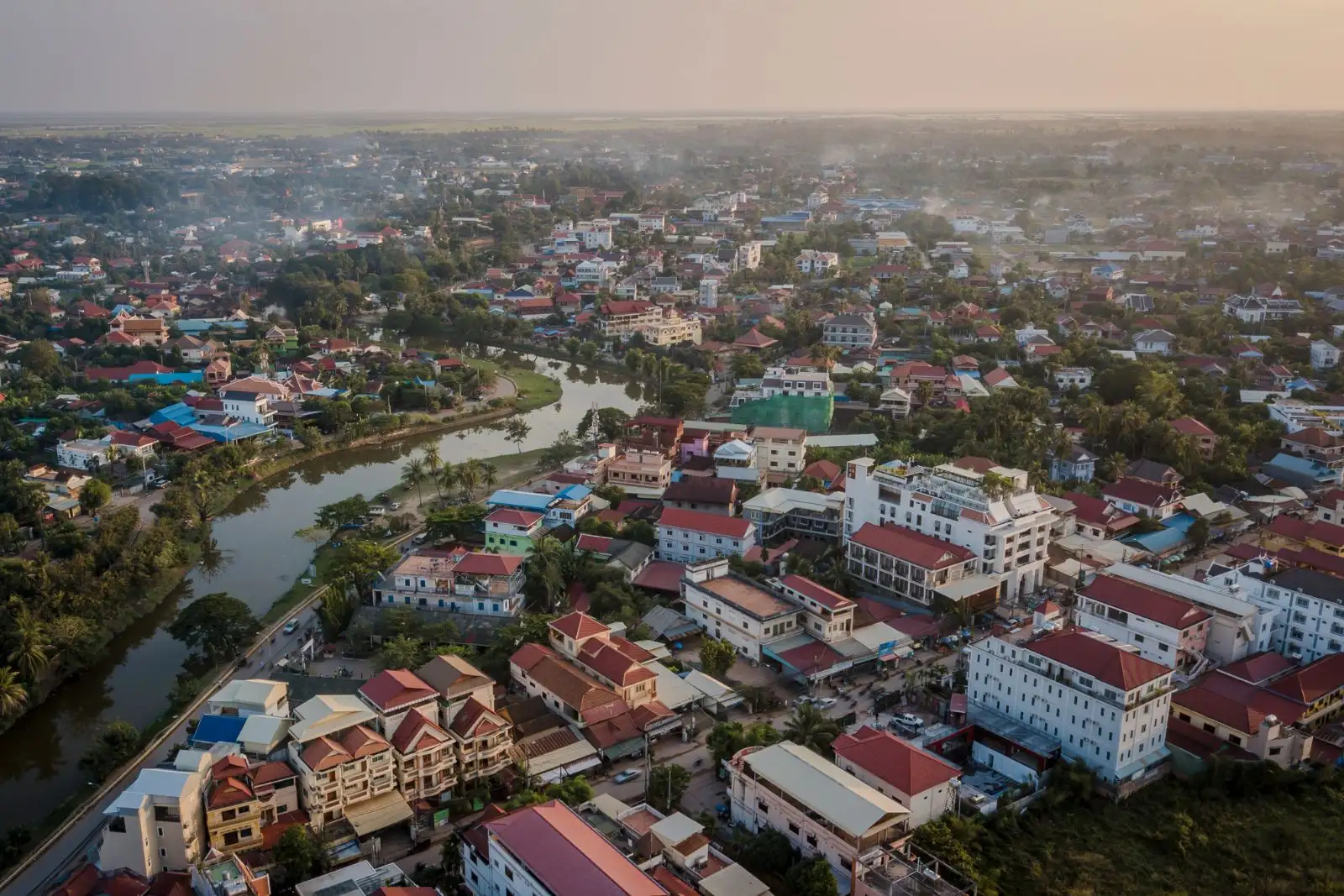
Siem Reap town
The charming town of Siem Reap is defined by the Angkor Archaeological Park, a UNESCO listed site and Tonle Sap Lake where life is simple and slow with people living on the water, close to nature. Today, drive 20-25 minutes toward South of Siem Reap along scenic roads to the floating village of Chong Kneas on the great Tonle Sap, the largest freshwater lake in Southeast Asia. Stop along the way to capture the peaceful countryside scenery or interact with the locals to gain insight into the rural lifestyle. Then, embark on a local wooden boat and set out on a relaxing and insightful cruise exploring the floating villages where more than a thousand families live and make their living.
Observe the floating schools, markets, police stations, and the traditional way of living. For the resident of the village, life on the water is the greatest traditional culture that should be preserved before the rapid development of modern society.
Notes
If you would like to inquire or book this itinerary for your clients, request a proposal brief and our consultants will review the request.